Dig Clean Sell or Keep
A clean reveal first — then a calm sell vs museum decision.
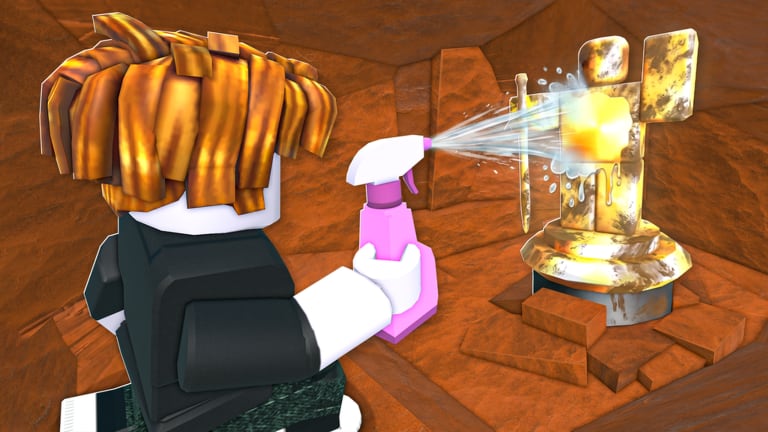
Every Dig Clean find ends in a choice: sell for upgrade cash or keep for the museum. Wrong calls either starve your shovel/spray path or fill shelves with forgettable junk. This guide gives Dig & Clean players a decision framework after a full spray clean — never before.
Rule zero — clean before you decide
Dirty objects lie. Finish the spray/workbench reveal, then evaluate. How to Clean and Items Overview cover the reveal. Selling blind is the fastest way to regret a Dig Clean session.
Dig Clean sell signals
Sell when most of these are true:
- The reveal looks common / junk with low display pride.
- You already own a cleaner duplicate on a museum shelf.
- You are blocked by shovel or spray price and need cash now.
- The item does not fit any museum theme you care about.
Cash from junk funds the progression path and the upgrade priority tool.
Dig Clean keep / museum signals
Keep when most of these are true:
- The reveal feels rare or personally cool (shape, color, joke item).
- It is your first of that identity — firsts tell a collection story.
- It anchors a theme (color run, junk-to-treasure, island set).
- You can afford to wait one more upgrade cycle without feeling stuck.
Park keepers with the museum guide and track goals on the museum checklist.
Dig Clean duplicate policy
Duplicates are usually sell fuel. Keep the cleanest or funniest copy; cash the rest. If a duplicate is event-flavored and your shelf is empty, keep one — then sell future copies hard.
Dig Clean backpack triage loop
- Dig a small batch.
- Clean everything.
- Sort: sell pile / keep pile / unsure pile.
- Unsure pile: compare against Best Finds and Rarity.
- Empty sell pile before the next dig route.
Never start a long dig with an unsorted backpack — Dig Clean decisions stack into clutter fast.
Dig Clean early-game vs late-game bias
Early: bias sell. You need shovel/spray tiers more than a crowded shelf.
Mid: bias keep for first rares; sell commons aggressively.
Late: bias theme quality — replace weak displays with better reveals from new dig pools (Islands).
Dig Clean emotional traps
- “I dug for twenty minutes, so it must be rare.” Time ≠ rarity.
- “Empty museum feels sad.” A small sharp museum beats a junk drawer.
- “I’ll decide later.” Later never comes — sort before the next dig.
Dig Clean related pages
- Best Finds — keeper candidates
- Rare Items — how rares show up
- Common Mistakes — clutter habits
- Dig Clean vs DIG — if loot tables online look wrong
Sell with purpose. Keep with pride. Dig Clean’s museum only works when cash and display share the same plan.
Dig Clean sell-or-keep worksheet (mental)
Ask five questions after every clean batch: Did I fully clean it? Is it my first of this identity? Do I need cash for a bottleneck upgrade this session? Does it fit a museum theme? Would I screenshot it? Three or more “keep” answers → shelf. Three or more “sell” answers → cash. Ties → keep one session, then re-evaluate against Best Finds.
Dig Clean economy of regret
Regret from selling a true rare hurts more than waiting one upgrade cycle. Regret from never upgrading because shelves are full of commons hurts longer. Dig Clean rewards players who accept small sell regrets to fund spray bottles that unlock better keepers later.
Frequently Asked Questions
Quick answers to the most common Dig Clean questions.
Should I sell everything early in Dig Clean?
Sell most commons early, but keep your first cool rare for the museum.
When should I keep Dig Clean duplicates?
Rarely — keep one best copy, sell the rest for shovel or spray upgrades.
Can I decide sell vs keep before cleaning?
No. Always finish the Dig Clean spray reveal first.
What if I need cash and love an item?
Keep it only if you can still afford the next bottleneck upgrade within a session or two.
Where do I track Dig Clean museum goals?
Use the museum checklist tool and the museum guide on this wiki.